
Blog

AI Hyperscaler Cooling for Real Heat Loads
An AI hyperscaler does not have a traditional data center heat problem. It has a rapidly changing, extremely concentrated heat-rejection problem. A single high-density AI rack can impose thermal loads that would have once been spread across an entire row of conventional servers. When that heat is not removed predictably, the result is not merely a warm room. It can mean processor throttling, equipment faults, shortened component life, lost capacity, and a facility that cannot add the next genera
…
19th Jul 2026

GPU Cooling Guide for Mining and Data Centers
A GPU mining operation can turn nearly all of its electrical input into heat. That makes cooling a capacity and uptime problem, not a comfort problem. This GPU Cooling Guide outlines how to calculate the heat load, move the required air volume, and avoid the airflow mistakes that cause thermal throttling, shutdowns, and premature hardware failures.
Start With GPU Heat Load, Not Fan Size
Do not select exhaust fans based on room square footage alone. Mining rooms and data centers must be designed
…
18th Jul 2026
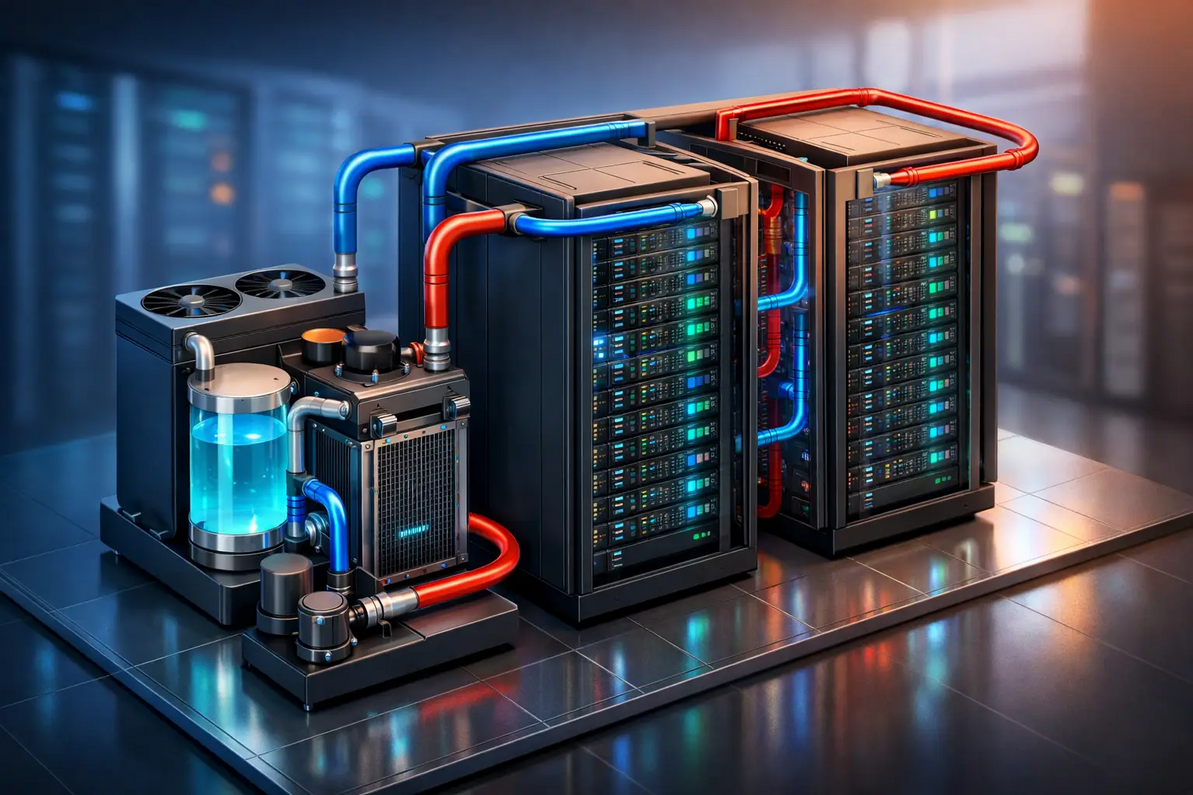
Closed Loop HPC Cooling Guide
A single high-density HPC rack can reject more heat than an entire legacy server row. Once rack loads move beyond what room air can carry economically, closed-loop liquid cooling becomes a facility design issue, not just an IT hardware choice. This Closed Loop HPC Cooling Guide explains the engineering checkpoints that determine whether a system delivers stable compute performance or creates a new heat-rejection bottleneck.
What closed-loop HPC cooling actually does
A closed loop circulates trea
…
18th Jul 2026
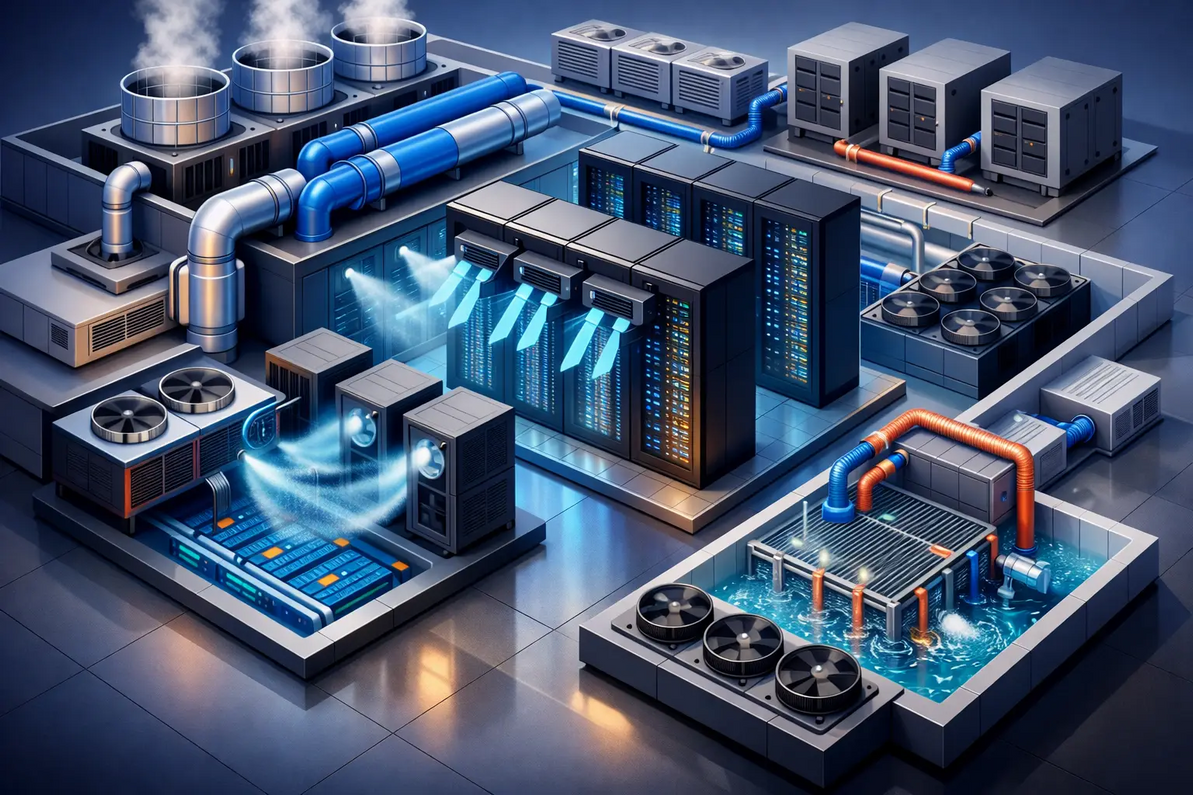
Hyperscale Data Center Cooling Guide
A few degrees of uncontrolled inlet-air temperature can throttle servers, shorten component life, and turn a planned capacity expansion into an uptime risk. This Hyperscale Data Center Cooling Guide focuses on the engineering decisions that matter most: accurately defining heat load, preventing air bypass and recirculation, matching the cooling method to rack density, and maintaining predictable performance as the facility grows.
Start With the Actual Heat Load
Nearly all electrical power consum
…
18th Jul 2026

HPC Cooling Guide for High-Density Compute
A high-performance computing room can turn a minor airflow mistake into an equipment reliability problem fast. A 100 kW compute load releases roughly 341,200 BTU per hour, and every watt consumed by servers, GPUs, networking, and power conversion becomes heat that must be removed. This HPC Cooling Guide explains how to move from a nameplate load to a cooling design that supports uptime, serviceability, and controlled operating temperatures.
Start With the Actual HPC Heat Load
Do not size cooling
…
18th Jul 2026