AI Data Center Developers Must be Transparent and Benefit Communities
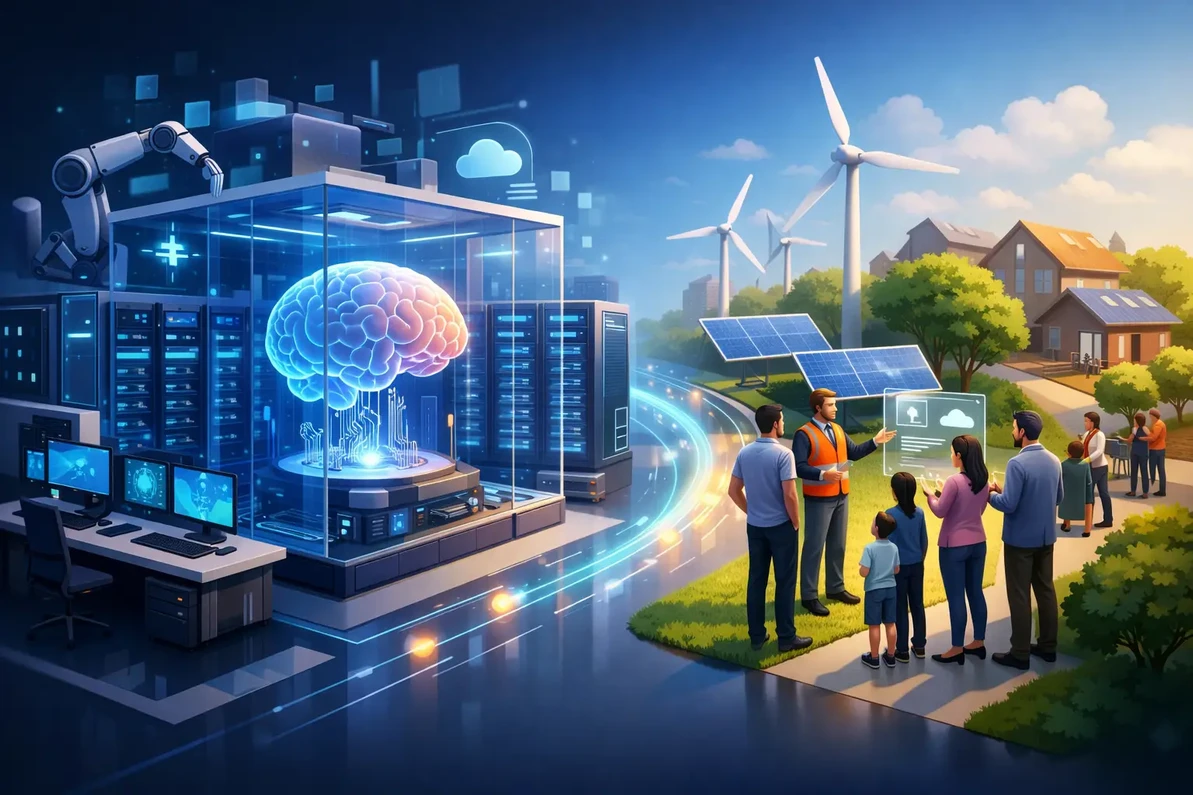
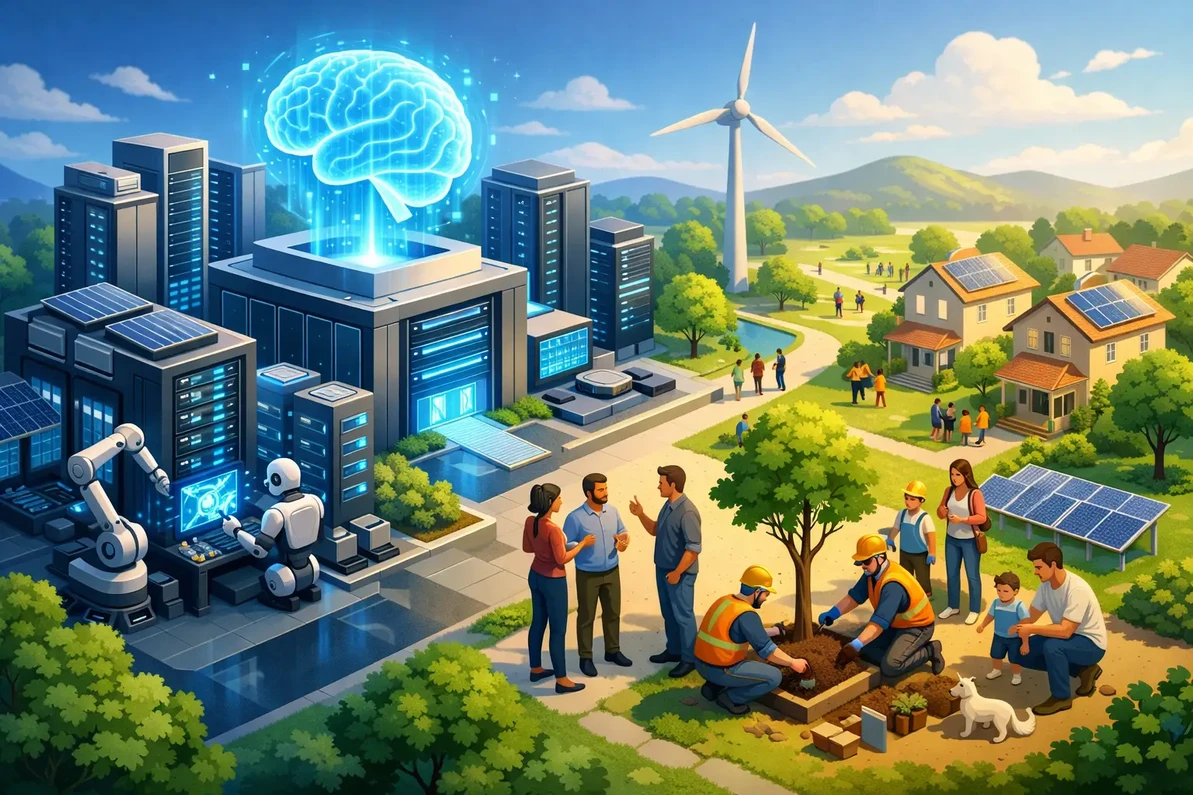
A proposed AI data center can bring major capital investment to a community, but the project also concentrates electrical demand, heat rejection, construction traffic, noise, and water questions in one location. The central issue is simple: AI data center developers need to be transparent, support, and benefit the community. Public trust cannot be treated as a permitting hurdle that disappears after the ribbon cutting.
For local officials, adjacent property owners, facility operators, and engineering teams, the real question is not whether artificial intelligence needs more computing capacity. It does. The question is whether a proposed facility has a credible operating plan that protects grid reliability, manages thermal loads, and produces measurable local value over its full service life.
Transparency Must Start Before Site Approval
A polished rendering and a claim of “minimal impact” are not enough for a high-load industrial facility. Developers should provide a practical project profile before major approvals move forward. That profile should identify the expected utility load, backup generation strategy, cooling method, anticipated water use, building noise controls, truck routes, construction schedule, and proposed operating headcount.
The public does not need proprietary server designs. It does need accurate operating ranges. A facility that may begin at 30 megawatts but is planned for a 150-megawatt expansion should disclose both conditions. The local electrical utility, planning board, fire authority, and nearby businesses need to understand what future phases could require.
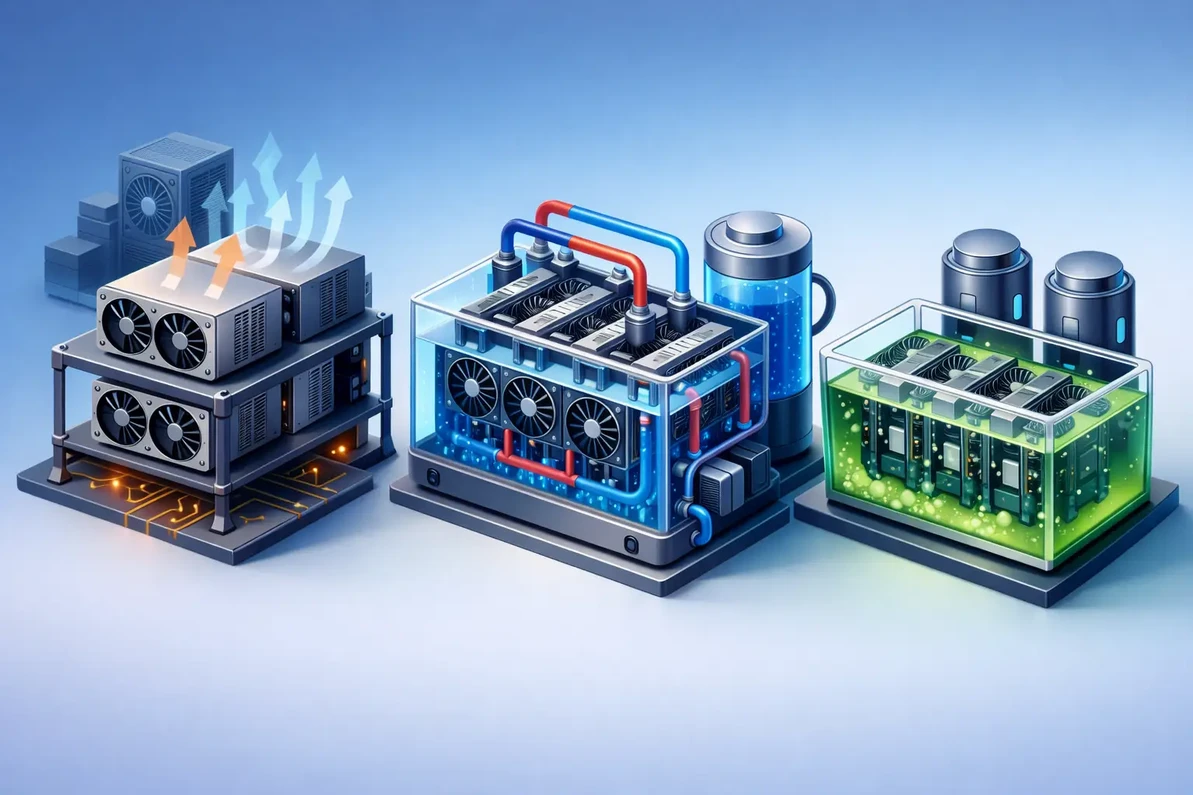
Transparency also means separating facts from projections. State the design power usage effectiveness target, but explain the expected annual energy use under realistic utilization. Identify whether cooling is direct-to-chip liquid cooling, immersion cooling, chilled water, air cooling, evaporative cooling, or a mixed system. Each choice changes the project’s water demand, heat-rejection equipment, maintenance needs, and community impact.
AI Data Center Developers Need Community Benefits That Can Be Measured
“Economic development” is too vague to stand on its own. A data center can be a valuable long-term asset, but its permanent staffing level may be lower than the public expects when compared with a manufacturing plant of similar size. That does not make the project undesirable. It means the developer must be specific about where the community benefit will come from.
A meaningful community benefit plan can include local construction commitments, apprenticeship participation, technical training partnerships, tax revenue protections, emergency-response equipment support, and upgrades that improve local utility capacity without shifting costs to existing customers. The details matter. A promise to hire locally has limited value without targets, reporting periods, and clear definitions of which roles qualify.
Developers should also avoid using one-time donations as a substitute for operational accountability. A grant to a school or nonprofit can help, but it does not address recurring concerns about utility cost allocation, generator testing, rooftop fan noise, or water consumption during peak summer conditions. Community benefits need to match the facility’s actual footprint.
Power Demand Requires an Honest Utility Plan
AI compute clusters can create unusually high and variable electrical loads. In many markets, the availability of generation and transmission capacity will determine whether a project can proceed at all. A responsible developer works openly with the utility and explains how the facility will avoid creating avoidable pressure on local ratepayers.
That may include phased energization, on-site battery storage, demand-response participation, firm clean-power contracts, or developer-funded transmission and substation upgrades. The correct approach depends on the utility territory, interconnection queue, regional generation mix, and the project’s load profile. There is no universal equipment package or energy procurement strategy.
Backup power deserves the same level of disclosure. Diesel generators are still common because they are proven, dispatchable, and familiar to authorities having jurisdiction. However, neighbors should know the number of units, test schedule, fuel storage plan, exhaust treatment, and expected sound levels at the property line. Gas Turbines, natural-gas generation, battery energy storage, and other alternatives have different permitting and reliability trade-offs. None should be presented as impact-free.
Cooling Design Is a Community Issue, Not Just an IT Issue
Every megawatt consumed by servers becomes heat that must be moved out of the building. That is why cooling architecture belongs in the public discussion. The heat load affects the size of cooling towers, dry coolers, rooftop equipment, mechanical rooms, louvers, intake paths, exhaust paths, and electrical infrastructure.
Air-cooled data halls can require substantial airflow and large fan arrays. Liquid-cooled and immersion-cooled systems can reduce the amount of air moved directly through server equipment, but they still require a dependable heat-rejection system. The heat is transferred, not eliminated.
For industrial ventilation engineers, this is familiar territory: fan selection must account for required CFM, static pressure, elevation, temperature, motor efficiency, controls, redundancy, and actual duct or louver losses. A fan’s free-air rating does not predict installed performance. The same principle applies to a large data center mechanical system. Equipment must be selected around the real operating condition, not a catalog number that looks favorable on paper.
Developers should publish their approach to noise control as well. Fan blades, cooling towers, transformers, generators, and relief louvers can create a continuous or intermittent noise profile that changes with load and weather. Acoustic modeling should evaluate property-line sound levels during normal operation, peak cooling, generator exercise, and emergency operation. If mitigation is required, specify it: variable frequency drives, low-sound fans, acoustic screens, inlet silencers, discharge attenuators, or revised equipment placement.
Water Use Needs Site-Specific Answers
Water is often the first concern raised by communities, especially in drought-prone areas or locations with constrained municipal systems. Developers should disclose whether the site uses potable water, reclaimed water, well water, a closed-loop system, adiabatic assist, evaporative cooling, or primarily dry cooling.
There are trade-offs. Evaporative systems can lower electrical energy use during hot weather but consume water. Dry coolers can sharply reduce water consumption but may use more fan energy and require more physical space, particularly during high ambient temperatures. Hybrid systems may balance the two, but their performance must be evaluated against local climate data and peak design conditions.
The right question is not “Does the project use water?” Nearly every large facility uses some water. The better questions are how much, when, from which source, under what restrictions, and what happens during drought declarations or municipal emergencies. A developer with a credible answer should be willing to put those operating limits in writing.
Build a Reporting System That Continues After Permitting
Community engagement should not end when the site plan is approved. The strongest projects establish a recurring reporting process with data that local stakeholders can understand. Annual reporting can cover electricity use, water use, generator testing hours, major expansions, local procurement, workforce metrics, and community investments.
The reporting should include context. A single annual water number is less useful than monthly use, source type, and the operational conditions that drove demand. A noise complaint process is stronger when it identifies a response contact, investigation timeline, measurement method, and corrective-action procedure. Residents do not need a marketing dashboard. They need a clear path to raise a problem and see how it was resolved.
Independent verification may be appropriate for large or controversial projects. Third-party acoustic testing, water-use audits, and performance reporting can reduce disputes because the measurements are not solely controlled by the developer. This is particularly useful when a facility is planned near homes, schools, agricultural operations, or other noise-sensitive uses.
Engineering Decisions Should Be Explained in Plain Language
Technical depth builds trust when it is translated correctly. Developers do not need to simplify the design to the point of being inaccurate. They need to explain what the design choices mean in practical terms.
For example, a statement that a facility uses N+1 cooling redundancy should be followed by an explanation that the site has one additional cooling unit beyond the number required for the planned load. If the facility uses variable frequency drives on heat-rejection fans, explain that fan speed can be reduced when ambient conditions and server load are lower, cutting fan energy and often reducing noise.
This is also where early engineering review prevents expensive mistakes. Oversized equipment can waste capital and operate inefficiently at part load. Undersized equipment can cause thermal alarms, curtailment, excessive noise, or rushed retrofits. Intake and exhaust locations, louver face velocity, pressure drop, airflow recirculation, and maintenance access should be addressed before equipment is ordered and installed.
Factory Fans Direct and our team members support open and transparent dialog with community leaders. Communities can accept industrial infrastructure when they understand the safeguards, the benefits are enforceable, and developers remains accountable after the servers are energized. Data center developers that communicates these realities directly are more likely to earn durable support than ones that relies on broad assurances.
Factory Fans Direct - Crypto Mining & Data Center Cooling Experts
Factory Fans Direct - Crypto Mining & Data Center Cooling Experts Contact Mike Miller VP Engineering at Factory Fans Direct for a FREE Project Evaluation 888-849-1233 | Mike@FactoryFansDirect.com
Recent Posts
-

Factory Fans Direct Supports Transparent AI Data Center Development & Community Engagement
A large AI data center can introduce a major new electrical and thermal load long before the first s …13th Aug 2026 -
AI Data Center Developers Must be Transparent and Benefit Communities
A proposed AI data center can bring major capital investment to a community, but the project also co …13th Aug 2026 -
Crypto Mining Options: Air-Cooled, Hydro-Cooling & Immersion
A mining facility does not fail because an ASIC is difficult to purchase. It fails when heat removal …13th Aug 2026