
Greenhouse Ventilation System Cost Guide
A grower usually notices ventilation cost the hard way - leaf temperature climbs, humidity hangs in the crop, and the "budget" fan package starts running nonstop without holding setpoints. That is why greenhouse ventilation system cost should be evaluated as a performance question first and a price question second. If the system cannot move enough air, handle shutter losses, and respond to seasonal heat load, the lower quote often becomes the more expensive option.
What drives greenhouse ventilation system cost
The biggest pricing variable is airflow requirement. In greenhouse applications, that usually starts with the structure footprint, sidewall height, crop density, glazing type, solar gain, and your target air exchanges or temperature rise across the house. A small hobby greenhouse may need a straightforward exhaust fan and intake shutter setup. A commercial propagation house or cannabis cultivation structure may require staged exhaust, circulation fans, light traps, evaporative cooling integration, and control logic that reacts to both temperature and humidity.
Equipment quality also changes the number quickly. Two fans with similar diameter can have very different output at static pressure, motor life, corrosion resistance, and energy draw. A lower-cost fan rated in free air may look competitive until shutters, guards, insect screens, evaporative pads, or duct losses are added. In real greenhouse conditions, usable CFM is what matters.
Controls are another major cost layer. Manual switches are inexpensive, but most serious growers need thermostats, humidistats, staged controllers, variable speed capability, and sometimes integrated automation tied to louvers, heaters, and pad systems. Better controls raise first cost, but they usually improve crop consistency and reduce wasted runtime.
Typical greenhouse ventilation system cost ranges
For a basic small greenhouse, greenhouse ventilation system cost can start in the low hundreds for minimal circulation and move into the low thousands once you add a properly sized exhaust fan, motorized shutters, framing accessories, and electrical work. That range often fits backyard growers, small hoop structures, or simple seasonal use where environmental control expectations are modest.
For mid-size commercial greenhouses, the number commonly moves into several thousand to tens of thousands of dollars depending on fan count, CFM requirements, intake strategy, and control sophistication. Once you are ventilating multiple bays or longer structures, system design matters more than individual component price. Oversimplified layouts can create dead zones, short cycling, and uneven temperature distribution across the crop.
For large commercial, agricultural, or specialty cultivation projects, cost can rise substantially when the design includes evaporative cooling walls, motorized inlet systems, VFDs, environmental controllers, redundancy, and higher static pressure fan selections. In these projects, ventilation is not a commodity purchase. It is part of the production infrastructure.
The most accurate way to think about pricing is by scope. Are you buying one exhaust fan, or are you building a balanced system with intake, air movement, control staging, and cooling support? Those are very different budgets.
Equipment choices that change cost fast
Exhaust fans and motor type
Direct-drive and belt-drive fans each affect cost, serviceability, and performance. Direct-drive can be simpler and lower maintenance in some setups. Belt-drive often gives flexibility in performance adjustment and can be preferred in certain agricultural-duty applications. Motor efficiency, washdown rating, corrosion resistance, and shutter construction all influence price.
Fan diameter alone is not enough for comparison. Blade design, housing depth, cone efficiency, and tested CFM at pressure are where cost differences show up. A larger, more efficient fan may reduce the total number of fans required, which changes both equipment and installation cost.
Intake shutters, louvers, and light control
A greenhouse exhaust system is only as good as its air inlet path. Undersized shutters or restrictive inlet openings increase static pressure and reduce delivered airflow. If the application involves light-sensitive crops, blackout requirements, or specialty cultivation, light traps can add substantial cost and pressure drop. That usually means stronger fans or more fan capacity.
Horizontal air flow fans
Many buyers focus on exhaust fans and overlook circulation. Horizontal air flow fans help mix air, reduce hot and cold spots, and support more consistent leaf-surface conditions. They are not a substitute for exhaust ventilation, but they often improve system effectiveness enough to justify the added spend.
Controls and automation
Basic thermostatic control is one thing. Multi-stage control with setback schedules, humidity response, alarm outputs, and VFD integration is another. More control capability usually increases system cost, but it can prevent common problems such as all fans starting at once, unstable temperatures, and poor night humidity management.
Installation costs are often underestimated
A quote for equipment is not the same as a quote for a working system. Electrical service, mounting hardware, weatherproof disconnects, framing modifications, curb or wall reinforcement, and control wiring can add more than buyers expect. In retrofit work, existing structures may need extra labor to fit shutters, patch openings, or adapt to nonstandard framing.
For larger houses, commissioning matters too. Fan staging, thermostat placement, controller setup, and verifying actual airflow are not optional details if crop performance is on the line. Poor commissioning can make good equipment perform badly.
If your greenhouse is in a corrosive, dusty, or high-humidity environment, service access should be considered up front. Spending more on better materials or a cleaner layout can reduce downtime later.
Why cheap systems often cost more to own
The lowest purchase price can create three expensive problems. First, undersized fans run longer and still miss temperature targets. Second, inefficient equipment drives up operating cost. Third, poor airflow distribution leads to crop inconsistency, disease pressure, and more labor spent compensating for environmental swings.
This is especially true in hot climates, high solar-load conditions, or tightly managed cultivation environments. A fan package that looks acceptable on paper may fail once static pressure from pads, shutters, and screens is included. That is where engineering support pays for itself.
A better buying question is not "What is the cheapest greenhouse ventilation system cost?" It is "What system will hold the environment I need with the lowest total operating penalty?"
How to budget greenhouse ventilation system cost correctly
Start with the greenhouse dimensions, crop type, location, and seasonal design conditions. Then define what success looks like. If your target is simply air exchange in shoulder seasons, the system may stay relatively simple. If you need summer cooling support, humidity control, and uniformity across a production zone, the design should reflect that from the start.
Next, budget by system layer instead of by fan only. Include exhaust, intake, circulation, controls, electrical, mounting, and any accessories that create pressure loss. If evaporative cooling is part of the plan, include the fan selection impact rather than treating the pad wall as a separate afterthought.
It also helps to compare quotes using the same performance standard. Ask what CFM is delivered at the expected static pressure, what motor and control strategy are included, and whether the intake area has been matched to the fan capacity. Apples-to-apples comparison is rare unless someone forces it.
When custom design makes financial sense
Custom design is not only for massive facilities. It makes sense anytime the greenhouse has unusual geometry, multiple rooms, specialty crops, blackout requirements, or a history of heat and humidity problems. It also makes sense when power cost is high enough that fan efficiency and control staging materially affect monthly operating expense.
For owners and contractors, design support reduces ordering mistakes. For engineers and facility managers, it improves confidence that fan curves, pressure assumptions, and control sequences align with real operating conditions. That is where a technical review can prevent both undersizing and unnecessary overspending.
Factory Fans Direct works with growers, contractors, and facility teams that need that level of application support, especially when the project goes beyond a simple fan swap.
The right cost is the one tied to performance
There is no single number that answers greenhouse ventilation system cost because the real answer depends on airflow requirement, static pressure, controls, installation complexity, and how tightly the environment must be managed. A modest structure with basic exhaust can be affordable. A production greenhouse with staged ventilation and cooling support is a more serious investment, but usually for good reason.
If you are pricing a project now, treat ventilation like production equipment, not an accessory. When the fan selection, intake path, and controls are matched to the greenhouse, you spend more intelligently - and usually less painfully - over the life of the system.
Factory Fans Direct - Greenhouse, Cannabis & Hemp Ventilation & Cooling Experts | Contact Mike Miller VP Engineering at Factory Fans Direct for a FREE Project Evaluation 888-849-1233 | Mike@FactoryFansDirect.com
Recent Posts
-

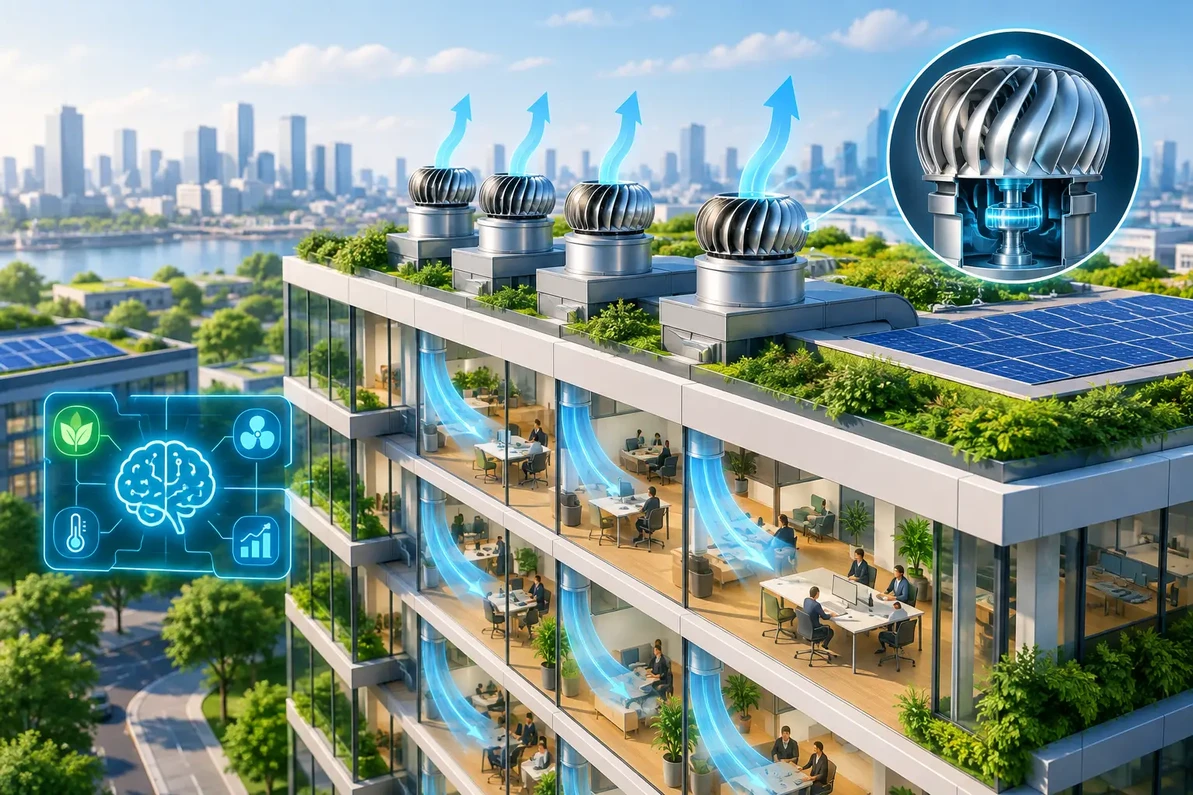
AI Smart Buildings Incorporate Edmonds ecoPOWER Hybrid Turbine Ventilation
A building automation system can report rising rooftop temperatures, increasing indoor contaminants, …12th Sep 2026 -
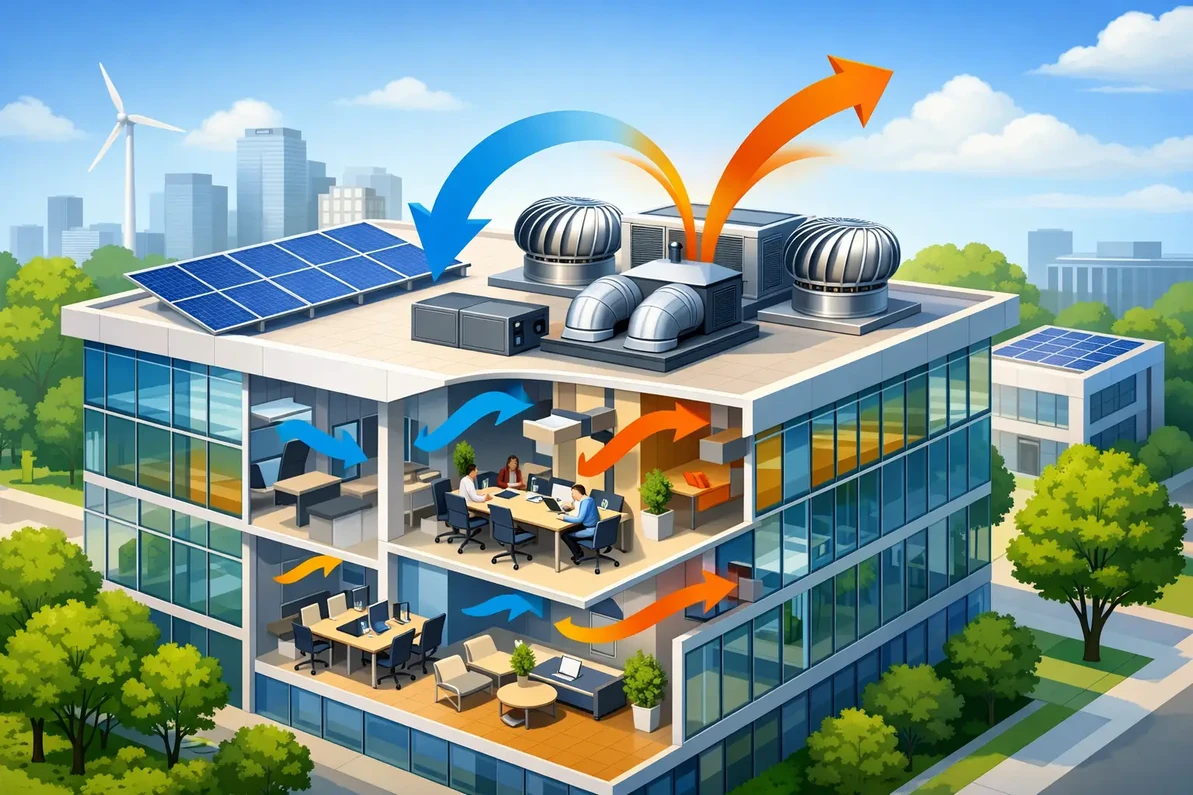
Smart Buildings Architects Recommend Edmonds ecoPOWER Hybrid Ventilation
A rooftop ventilator should not force an all-or-nothing energy decision. Smart Buildings Architects …7th Sep 2026 -
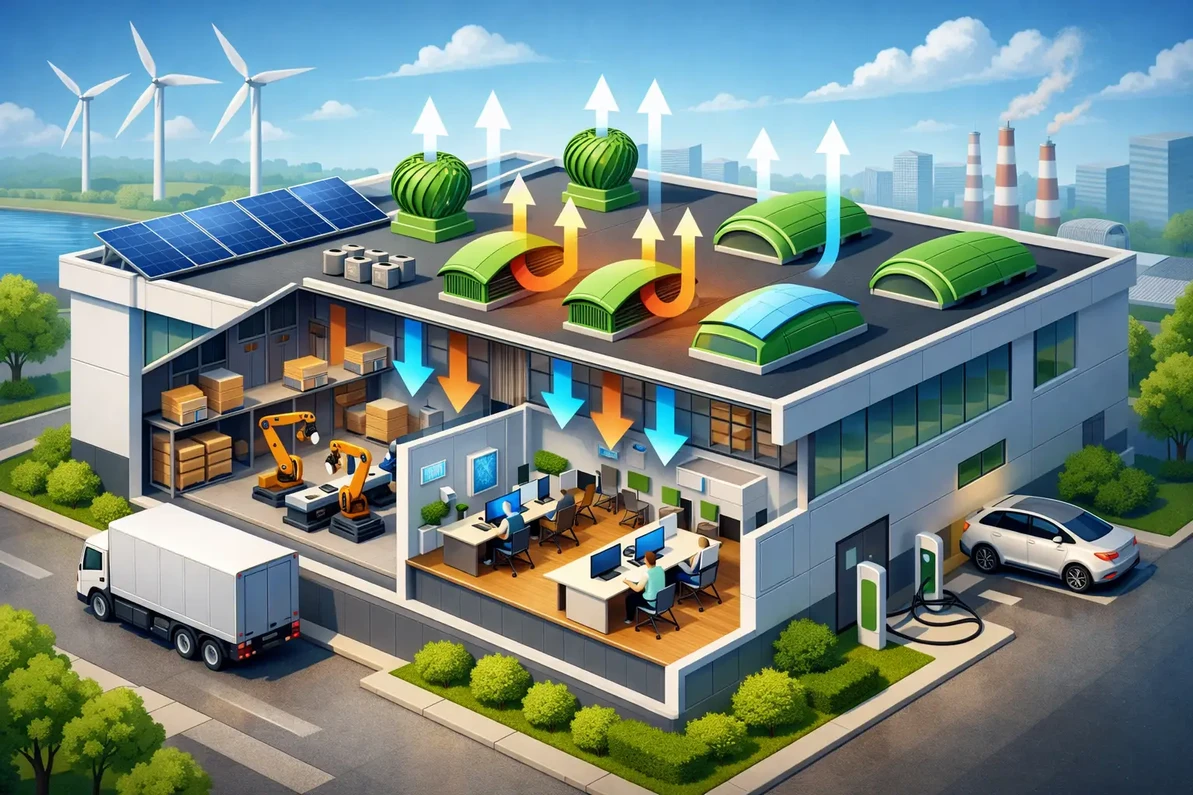
Smart Industrial Buildings Use Edmonds ecoPOWER Hybrid Ventilation
A roof exhaust system can be the difference between a plant that controls heat at the source and one …7th Sep 2026