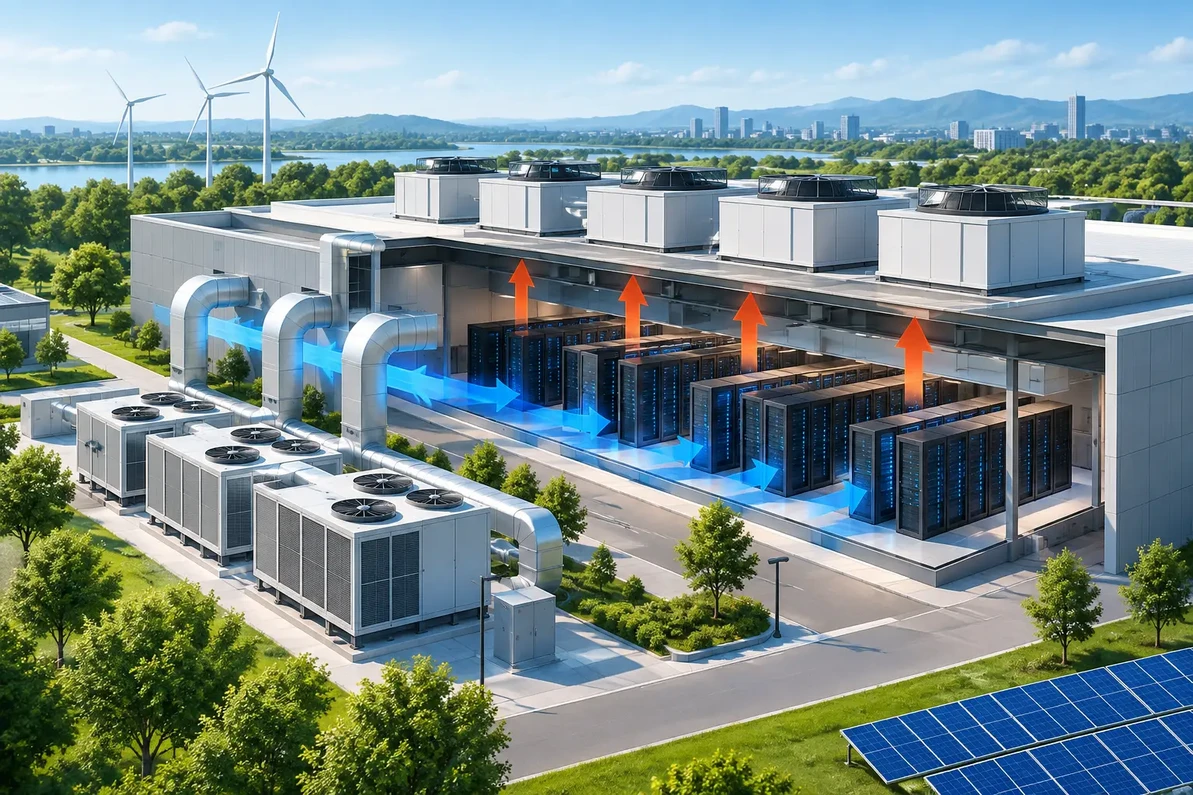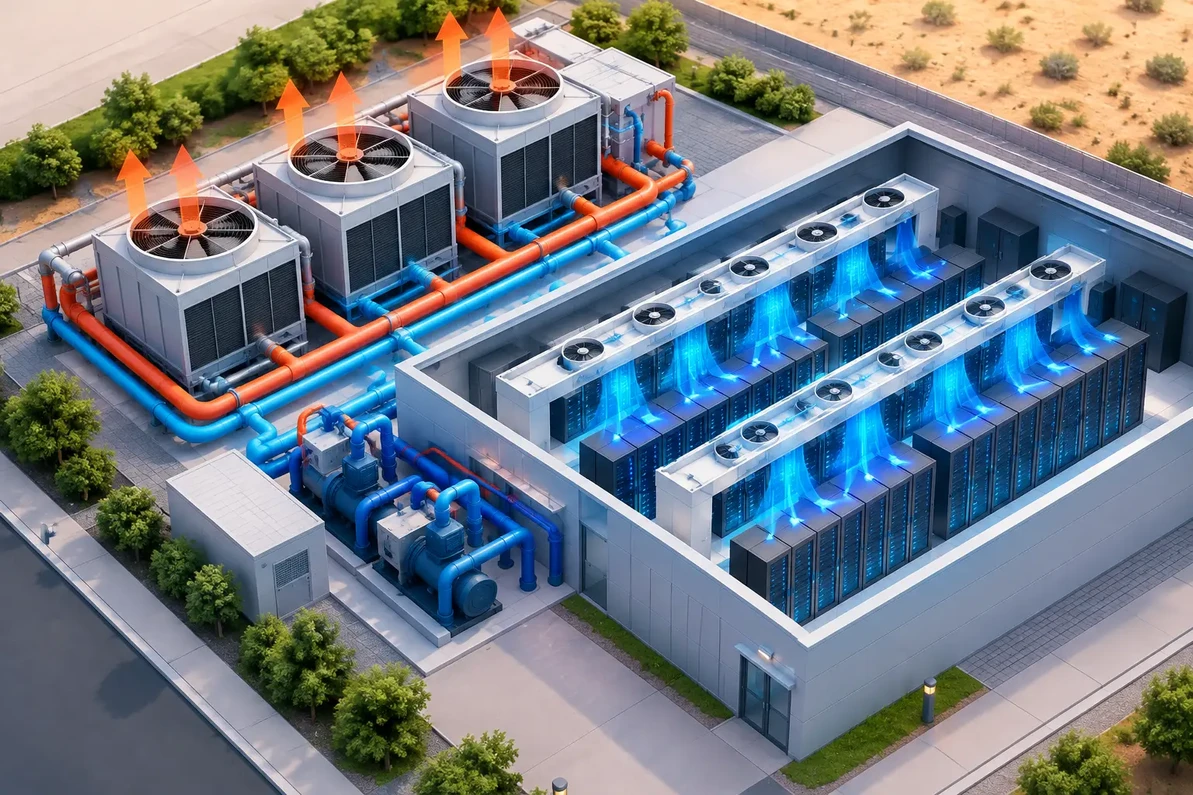

Edmonds Hybrid Ventilation - the Future for Building Cooling - LEED & Net-Zero
Cooling a building with compressor-based HVAC alone is getting harder to justify. Energy codes are tighter, operating costs are less forgiving, and many owners now need a path to both lower peak demand and better IEQ. That is exactly why Edmonds Hybrid Ventilation - the Future for Building Cooling - Leed & Net-Zero is getting serious attention from architects, engineers, and facility teams looking for practical decarbonization strategies that still perform in the real world.
This is not a gimmick product category. Hybrid rooftop ventilation works because it combines natural ventilation principles with assisted mechanical performance, giving a building a low-energy way to remove heat, reduce stratification, and support indoor comfort. In the right application, that changes the cooling equation before the air conditioning system has to do all the work.
Why Edmonds Hybrid Ventilation matters now
Most commercial and industrial buildings do not have a pure cooling problem. They have a heat-load management problem. Solar gain, roof heat, process equipment, lighting, occupant load, and trapped high-level air all stack up. Once that heat accumulates, HVAC equipment has to fight a larger load for longer hours.
Edmonds hybrid ventilation addresses that issue at the source. By exhausting hot air at roof level using wind-driven and low-energy assisted operation, these systems help purge heat where it naturally rises. That reduces the amount of unwanted sensible heat sitting in the building envelope and can lower dependence on conventional cooling systems during many operating hours.
For warehouses, factories, sports facilities, agricultural buildings, and large-volume commercial spaces, this is a major design advantage. In buildings with high ceilings and intermittent occupancy, removing trapped heat is often more cost-effective than trying to refrigerate the entire air volume.
How Edmonds Hybrid Ventilation supports LEED and net-zero goals
LEED and net-zero projects are won or lost on energy intensity, ventilation effectiveness, and whole-building strategy. No single fan creates a net-zero building, but hybrid ventilation can be a meaningful part of the mechanical design approach.
The value comes from very low operating energy compared to conventional cooling, especially when the building can use ambient conditions, thermal buoyancy, and pressure differentials to move air. That can support reduced HVAC runtime, lower fan energy, and improved passive cooling performance. For project teams tracking Energy Use Intensity, electrification readiness, and sustainability targets, those reductions matter.
There is also a design story here that owners appreciate. Hybrid ventilation aligns with a practical net-zero mindset because it prioritizes load reduction first. That is the right order of operations. Before adding more tonnage, more ductwork, or more controls complexity, remove heat efficiently and let the building work with physics instead of against it.
Where hybrid rooftop cooling performs best
Edmonds Hybrid Ventilation for LEED & Net-Zero is especially effective in buildings where heat rises and accumulates at the top of the structure. Large open interiors are usually the best fit because they allow natural convection and relief air pathways to function properly.
Typical applications include manufacturing plants, distribution centers, warehouses, gymnasiums, agricultural buildings, workshops, and retrofit commercial structures with persistent upper-level heat buildup. In these environments, the system can improve comfort, reduce heat stress, and support lower mechanical cooling loads.
That said, hybrid ventilation is not universal. Tight buildings with no planned makeup air path, spaces with critical humidity control, cleanroom conditions, or facilities that require fixed pressurization may need a more integrated solution. The engineering question is not whether hybrid ventilation is good. It is whether it is appropriate for the heat load, climate, occupancy pattern, and building envelope.
The engineering side most buyers miss
The biggest mistake in ventilation design is assuming airflow products are interchangeable. They are not. Effective rooftop cooling depends on airflow path, intake strategy, roof geometry, internal heat sources, and control logic.
A hybrid ventilator has to be matched to the building. That means reviewing cubic volume, roof area, internal gains, local weather, and target air changes or heat rejection goals. If the system is undersized, it will not move enough heat. If the intake side is ignored, the exhaust side cannot perform correctly. Good results come from engineered air movement, not from dropping roof units onto a plan and hoping for the best.
This is also where lifecycle cost matters more than first cost. A lower-cost exhaust product with poor efficiency or poor weather performance can create long-term headaches. Edmonds systems are typically evaluated by serious buyers because they want dependable low-energy ventilation with performance credibility, not just another catalog item.
Why the future of cooling looks hybrid
The future of building cooling is not one technology replacing every other system. It is layered design. Use passive and low-energy strategies first. Apply mechanical cooling where it is truly needed. Control the load before paying to condition it.
That is why hybrid ventilation keeps showing up in forward-looking projects. It fits decarbonization goals, reduces energy waste, and helps building owners improve comfort without defaulting to oversized HVAC solutions. In many facilities, especially large-volume buildings, the smartest cooling upgrade is not adding more refrigeration. It is getting the trapped heat out of the building efficiently.
For project teams evaluating retrofit or new construction strategies, Edmonds hybrid systems deserve a serious engineering review. The upside is lower cooling demand, stronger sustainability alignment, and a ventilation approach built around measurable building physics instead of guesswork.
Factory Fans Direct/Edmonds US - Hybrid Commercial & Industrial Ventilation & Cooling Experts | Contact Mike Miller VP Engineering at Factory Fans Direct for a FREE Project Evaluation 888-849-1233 | Mike@FactoryFansDirect.com
Recent Posts
-

AI Mega Factories Use Edmonds ecoPOWER Hybrid Ventilation
AI Mega Factories use Edmonds ecoPOWER Hybrid Turbine Ventilation because heat rejection cannot be t …4th Oct 2026 -
AI Cooling for High-Heat Facilities
A server aisle running 12°F hotter than its neighboring aisle, a crypto container recirculating exha …4th Oct 2026 -
AI Ventilation: Better Control Starts With Data
A warehouse can look adequately ventilated on paper and still have a 15-degree temperature differenc …4th Oct 2026