Edmonds Hybrid Ventilation for LEED & Net-ZERO
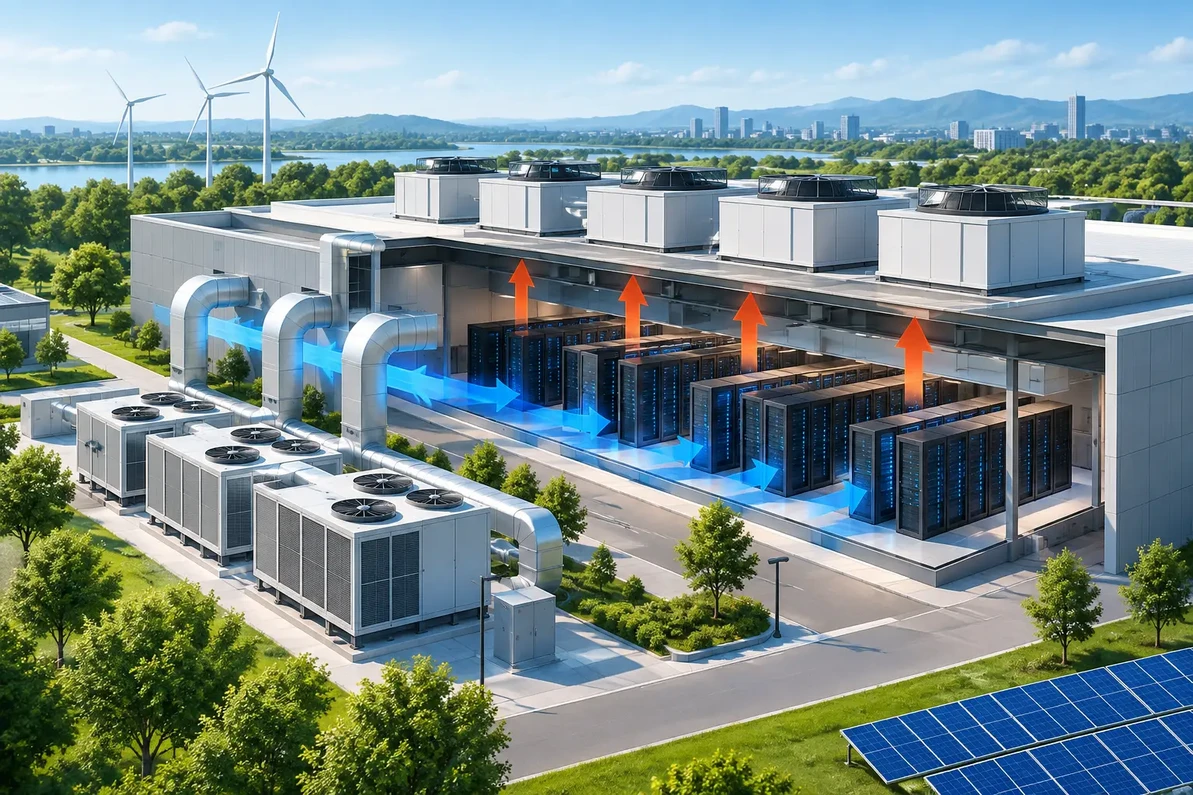
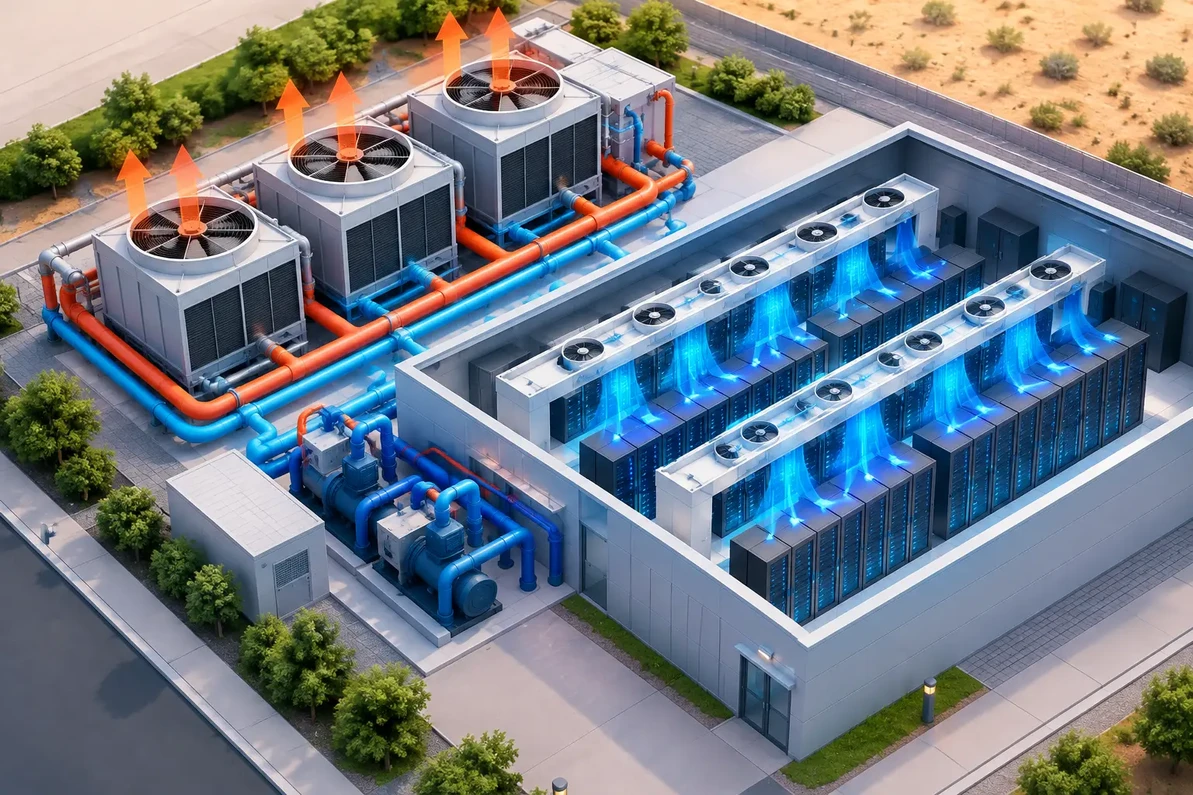
Mechanical ventilation is often one of the quiet energy drains in a building. Fans run longer than expected, controls get overridden, and conditioned air is exhausted at the wrong times. Edmonds Hybrid Ventilation - LEED & Net-ZERO Certified addresses that problem with a different approach: use natural ventilation whenever possible, then add low-energy assist only when the building load demands it.
For architects, engineers, and facility teams chasing LEED points, lower operating costs, and real-world resilience, that matters. A hybrid rooftop exhaust strategy is not just about airflow. It is about reducing dependence on full-time powered extraction while still maintaining predictable ventilation performance across changing weather and occupancy conditions.
What Edmonds Hybrid Ventilation does differently
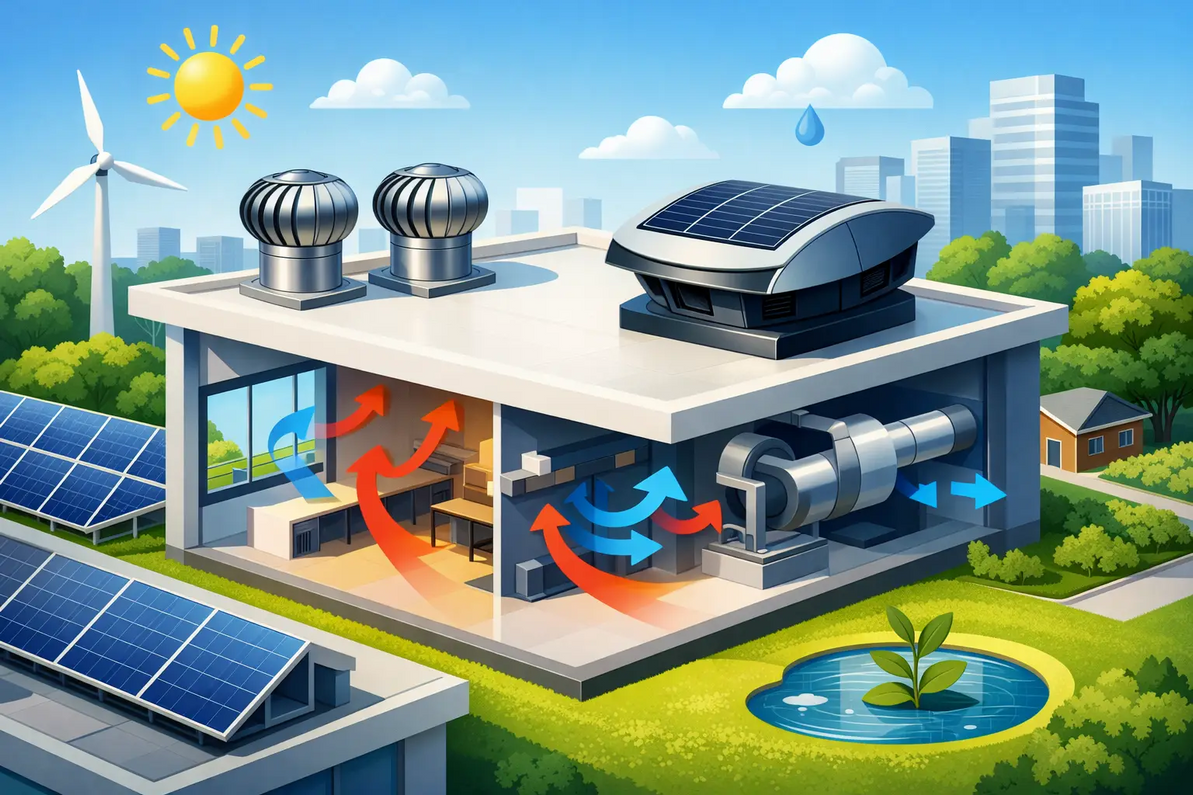
Traditional roof exhaust systems rely almost entirely on motor-driven airflow. That works, but it also locks the building into ongoing electrical consumption and maintenance cycles tied to belts, motors, and controls. Edmonds hybrid ventilation systems are engineered to combine wind-driven and buoyancy-driven ventilation with efficient fan assistance. When ambient conditions are favorable, the unit can move air with minimal or no electrical input. When conditions tighten, assisted operation helps maintain the target exhaust rate.
That hybrid model fits well in warehouses, manufacturing plants, gymnasiums, agricultural buildings, workshops, and other large-volume spaces where heat stratification and stale air buildup are common problems. It is also useful in buildings pursuing lower energy intensity without giving up ventilation reliability.
Why Edmonds Hybrid Ventilation - LEED & Net-ZERO Certified matters
LEED and net-zero projects are unforgiving when every watt counts. Ventilation equipment has to earn its place in the design. If a system can reduce fan energy, support passive airflow, and help stabilize indoor conditions, it can contribute to a stronger building performance story.
The practical value is straightforward. Lower fan runtime can reduce electrical demand. Reduced dependence on mechanical exhaust can support net-zero energy targets. Better use of stack effect and rooftop placement can improve air turnover in high-bay spaces. And because these systems are built around low-energy operation, they align with the broader design goal of using active equipment only when passive methods are not enough.
That does not mean hybrid ventilation is a fit for every building. If your facility has very high static pressure losses, tightly ducted exhaust paths, or process loads requiring constant mechanical extraction, a conventional powered system may still be necessary. The engineering question is not whether hybrid is always better. It is whether the building can take advantage of natural drivers often enough to justify the design.
Best-fit applications for Edmonds hybrid systems
The strongest candidates are buildings with large open interiors, significant internal heat gain, and a roof layout that supports effective exhaust placement. Warehouses and manufacturing facilities are common examples because they often struggle with trapped heat near the ceiling and uneven air quality across the floor. Agricultural structures and greenhouses can also benefit where reducing energy consumption is a top priority.
In retrofit work, the opportunity depends on the existing building envelope and intake strategy. A rooftop exhaust unit will only perform as intended if replacement air can enter the building correctly. Too little intake air and the system starves. Poor intake placement and you may create dead zones, drafts, or short-cycling airflow patterns. This is where ventilation design matters more than product selection alone.
Engineering factors that affect performance
CFM targets are only the starting point. To evaluate an Edmonds hybrid ventilation design properly, you need to look at building volume, heat load, roof height, local wind conditions, intake free area, and occupancy profile. In industrial environments, process heat can change by shift. In commercial spaces, occupancy swings may drive very different ventilation needs across the day.
Control strategy also matters. Some projects benefit from a simple thermostat or temperature-based trigger for assisted operation. Others need staged control tied to indoor temperature, differential pressure, or time-of-day schedules. If the hybrid assist fan is oversized or set too aggressively, you can lose part of the energy advantage. If it is undersized, peak summer performance may fall short.
Maintenance is another practical consideration. Hybrid systems usually reduce the burden associated with fully motorized exhaust, but rooftop equipment still needs inspection. Louvers, bearings, weather seals, and controls should be checked as part of a planned maintenance schedule, especially in corrosive, dusty, or high-moisture environments.
Specifying Edmonds Hybrid Ventilation for real project outcomes
The specification process should start with the problem you are trying to solve. Is the priority heat relief, code-required air changes, reduced electrical consumption, better comfort, or a LEED-driven performance target? The answer affects unit selection, quantity, spacing, and whether additional make-up air or control integration is needed.
This is why experienced ventilation design support is valuable. On paper, a hybrid unit can look like a simple swap for a standard roof exhaust fan. In practice, performance depends on the full airflow path through the building. Roof geometry, internal obstructions, process heat sources, and intake design all affect the result. Getting those variables right can be the difference between a high-performing low-energy system and a disappointing install.
For buyers evaluating Edmonds hybrid ventilation, the real advantage is not just the product label. It is the combination of low-energy rooftop exhaust technology, application-specific engineering, and a design path that supports LEED and net-zero building goals without guessing.
Factory Fans Direct/Edmonds US - Hybrid Commercial & Industrial Ventilation & Cooling Experts | Contact Mike Miller VP Engineering at Factory Fans Direct for a FREE Project Evaluation 888-849-1233 | Mike@FactoryFansDirect.com
Recent Posts
-

AI Mega Factories Use Edmonds ecoPOWER Hybrid Ventilation
AI Mega Factories use Edmonds ecoPOWER Hybrid Turbine Ventilation because heat rejection cannot be t …4th Oct 2026 -
AI Cooling for High-Heat Facilities
A server aisle running 12°F hotter than its neighboring aisle, a crypto container recirculating exha …4th Oct 2026 -
AI Ventilation: Better Control Starts With Data
A warehouse can look adequately ventilated on paper and still have a 15-degree temperature differenc …4th Oct 2026